When you click on links to various merchants on this site and make a purchase, this can result in this site earning a commission. Affiliate programs and affiliations include, but are not limited to, the eBay Partner Network.
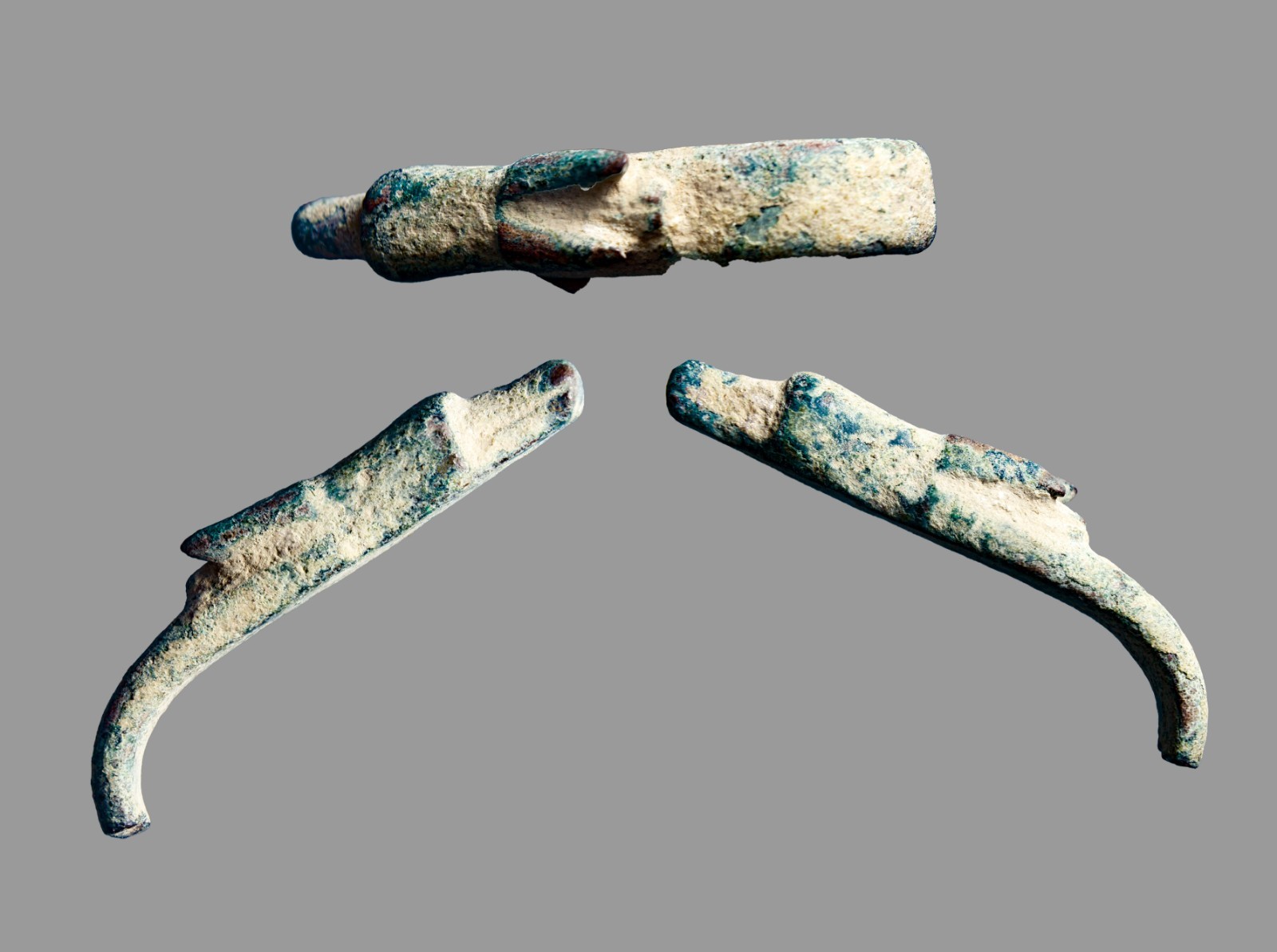
Ancient Egyptian Cast Bronze Jackal Figurine / Votive Anubis Amulet (40mm — c. 664–30 BC)
Authenticity & Guarantee
Item Specifications & Exact Dimensions
Object: Solid Cast Bronze Votive Figurine / Sacred Animal Amulet of Anubis
Culture / Period: Ancient Egypt (Late Period to Ptolemaic Era — 26th Dynasty to Ptolemaic Kingdom)
Date Range: Circa 664 BC – 30 BC (c. 7th – 1st Century BC)
Length: 40 mm (4.0 cm)
Material: Cast Bronze (Copper Alloy)
Form & Architecture: Compact cast bronze figure depicting the sacred jackal of Anubis (Inpu) / Wepwawet in an alert, recumbent posture; sculpted with sharp upright pointed ears, elongated snout, and defined torso; engineered as a sacred temple offering (ex-voto) or personal protective amulet
Condition: Exceptional, complete ancient condition. Crisp anatomical modeling across the ears, head, and body profile, solid heavy structural core, preserved under an authentic dark charcoal-olive bronze patina with light pale sandy-cream burial encrustations in the recessed contours. Free of modern restoration or tooling.
HISTORICAL CONTEXT & TYPOLOGICAL LORE
Anubis & Wepwawet Sacred Iconography
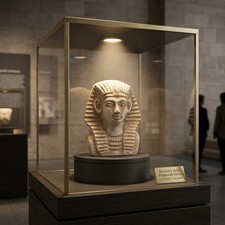
In ancient Egyptian theology, the wild desert jackal was sacred to Anubis (Inpu), the deity of mummification, embalming, and guide of departed souls (psychopomp) through the underworld (Duat). The jackal was also associated with Wepwawet ("The Opener of the Ways"), the lord of victory and royal processions. Represented with keen, erect ears and an alert posture, the sacred jackal stood guard over tombs, warding off malevolent forces and ensuring safe passage into the afterlife.
Late Period Temple Votive Bronzes
During the 26th Dynasty through the Ptolemaic Period, Egyptian temple bronze foundries flourished, producing specialized animal statuettes for pilgrims and nobles. Devotees purchased these cast bronze jackal figures to dedicate as votive offerings (ex-votos) at sacred necropolis shrines such as Saqqara, Memphis, and Abydos. Deposited in catacombs and temple vaults, these statuettes served as perpetual prayers to Anubis for eternal protection.
Typological Analysis & Exact Classification
Comparable Archaeological Examples & Museum Accession Numbers
British Museum (Accession No. EA29241): Late Period Egyptian bronze figurine of the sacred jackal Anubis.
Metropolitan Museum of Art (Accession No. 04.2.438): Ancient Egyptian bronze votive statuette of Anubis in jackal form.
Louvre Museum (Inv. No. E 3814): Late Period / Ptolemaic bronze jackal amuletic figurine from Saqqara.
1-4