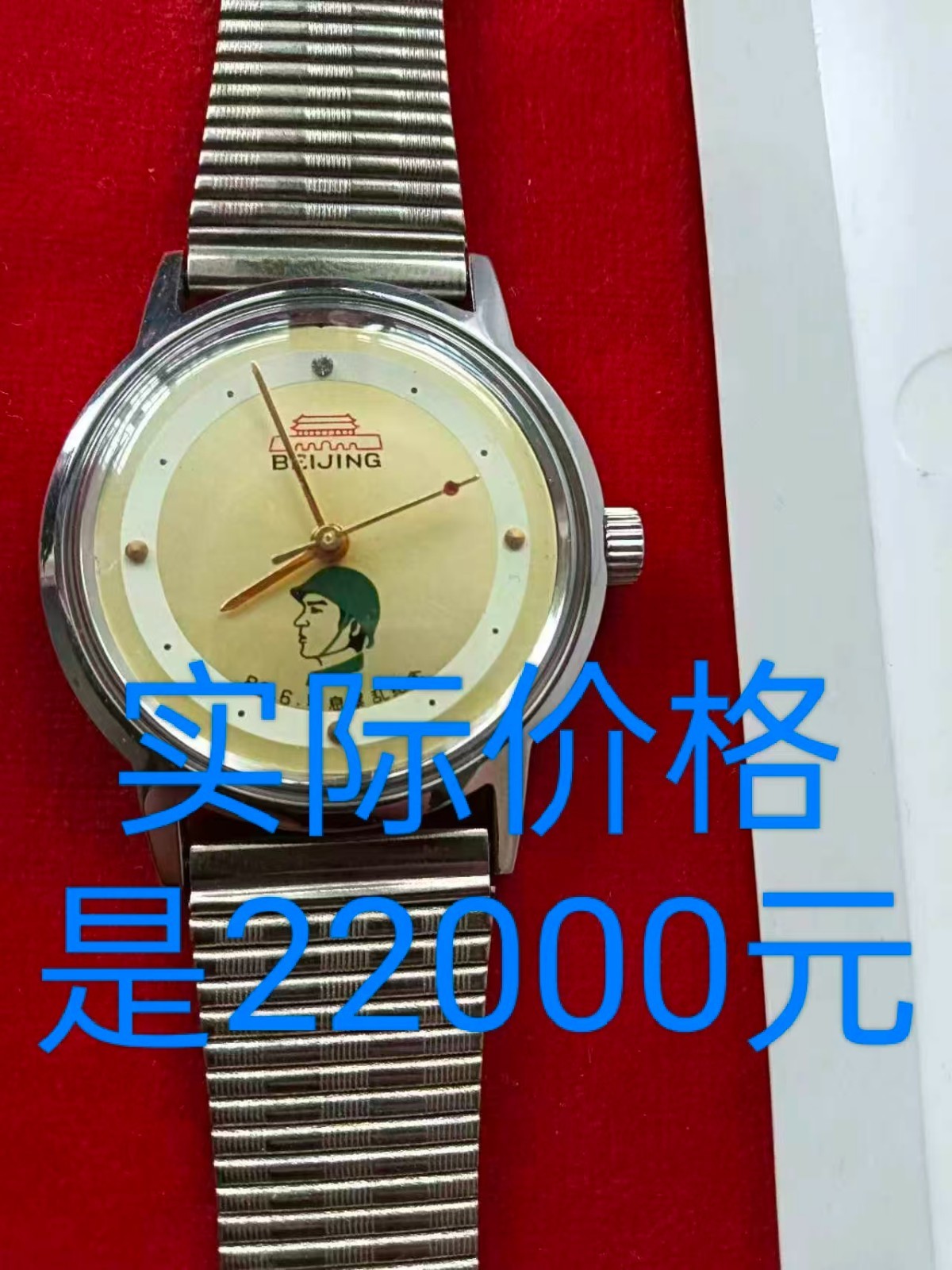
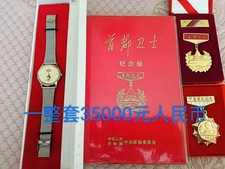
When you click on links to various merchants on this site and make a purchase, this can result in this site earning a commission. Affiliate programs and affiliations include, but are not limited to, the eBay Partner Network.
声明 class="MsoNormal" style="text-indent: 28pt;">Disclaimer: I am only selling this as a commemorative item of a special event. I try to be objective and do not represent any personal stance.
I also have a number of books about this incident, all of which were publicly released by the Chinese government at the time. Already shown in the pictures. If you are interested in any book or magazine, please send me a message.
After the 1989 Tiananmen Square incident (officially referred to by the Chinese government as the "political turmoil at the turn of spring and summer in 1989"), the Chinese government systematically shaped the narrative of the incident through publications and propaganda, aiming to maintain the legitimacy of the ruling party, stabilize social order and control public opinion.
The authorities impose strict prior censorship on all publications, especially books, newspapers, and propaganda materials involving politically sensitive content. Publishers were required to submit manuscripts to the State Press and Publication Administration (or its predecessor), and the content must conform to the official characterization of the Tiananmen incident (such as "counter-revolutionary riot"). For example, books such as "The Thrilling 56 Days" and "Guardians of the Republic" are all published by official publishers (such as the People's Liberation Army Press). The content has undergone layers of approval to strengthen the legitimacy of the government and the legitimacy of its actions.
Official publications characterized the incident as a "counter-revolutionary riot" or "political disturbance," emphasizing that the government's clearing of the scene was intended to maintain social stability and national security. For example, "Guardians of the Republic", "One Day under Martial Law", "Defending the Socialist Republic", etc., by describing the actions of the army and the destruction of "mobs", try to portray the clearing operation as a necessary measure to defend the country.
The propaganda focuses on the sacrifices of military and law enforcement personnel, creating the image of "Guardians of the Republic." For example, the "Collection of Heroic Guardians of the Republic" records the deeds of the military and police officers who were said to have died in the incident, emphasizing their loyalty and dedication.
Most of these promotional materials are formal publications with ISBN numbers, distributed through newspapers, books and other channels, and are mainly aimed at domestic audiences. The content is strictly reviewed to unify thoughts and prevent multiple interpretations of events.
In the early 1990s, as domestic and international public opinion pressure and political environment changed, the authorities began to realize that these propaganda materials might cause controversy or be used as counter-propaganda materials. For example, books such as "56 Days of Thrilling" and "One Day of Martial Law" may be reinterpreted as evidence of violence during the clearing because they record the events in too much detail. Therefore, the authorities gradually stopped reprinting and banned public sales. Some books were removed from libraries and bookstores and listed as targets for destruction. Destruction is usually carried out by the press and publication authorities or public security agencies and involves incineration or recycling of pulp. The official destruction and dilution policies have resulted in a scarcity of these publications, and high prices in private transactions, with prices on the domestic black market and at overseas sales ranging from several thousand to tens of thousands of RMB. Prices vary depending on rarity, preservation condition, market demand and political sensitivity, and can range from thousands to tens of thousands of yuan. In the future, as censorship continues and events fade, the number of surviving publications may further decrease and prices may continue to rise.
After the 1990s, the authorities gradually adopted a strategy of "downplaying" rather than "positive propaganda" in an attempt to erase the incident from public memory. "June 4th" is almost no longer mentioned in school textbooks, media reports and public discussions, and the incident has become a taboo topic in mainland China.
Library and archive cleanup: Libraries across the country were asked to clear out publications related to the Tiananmen Square incident, and some books were removed from shelves or moved to "special collections" areas, where they are only accessible to certain people. Relevant records in some local archives were also sealed or destroyed.
The Press and Publication Administration regularly inspects publishers’ publishing plans and inventories to ensure that no sensitive content enters the market. Printing houses were also required to report printed content to prevent the private printing of banned books.
Bookstore and library inspections: Cultural departments and public security agencies conducted surprise inspections of bookstores and libraries, searching for publications related to the Tiananmen Square incident.
After the Tiananmen Square Incident in 1989, People's Publishing House, as an important state-owned publishing house in China, issued a number of documents and publications related to the incident. People's Publishing House is known for publishing political, theoretical and propaganda books. After the Tiananmen Square incident in 1989, it took on the task of publishing some official documents. These publications mainly include books, compilations and propaganda materials, and their content closely adheres to the official narrative. Publications published by the People's Publishing House have become a hot spot for political document collection due to their formality and scarcity. Books published by the People's Publishing House are more authoritative than local publications, with fewer in existence and higher prices.