When you click on links to various merchants on this site and make a purchase, this can result in this site earning a commission. Affiliate programs and affiliations include, but are not limited to, the eBay Partner Network.
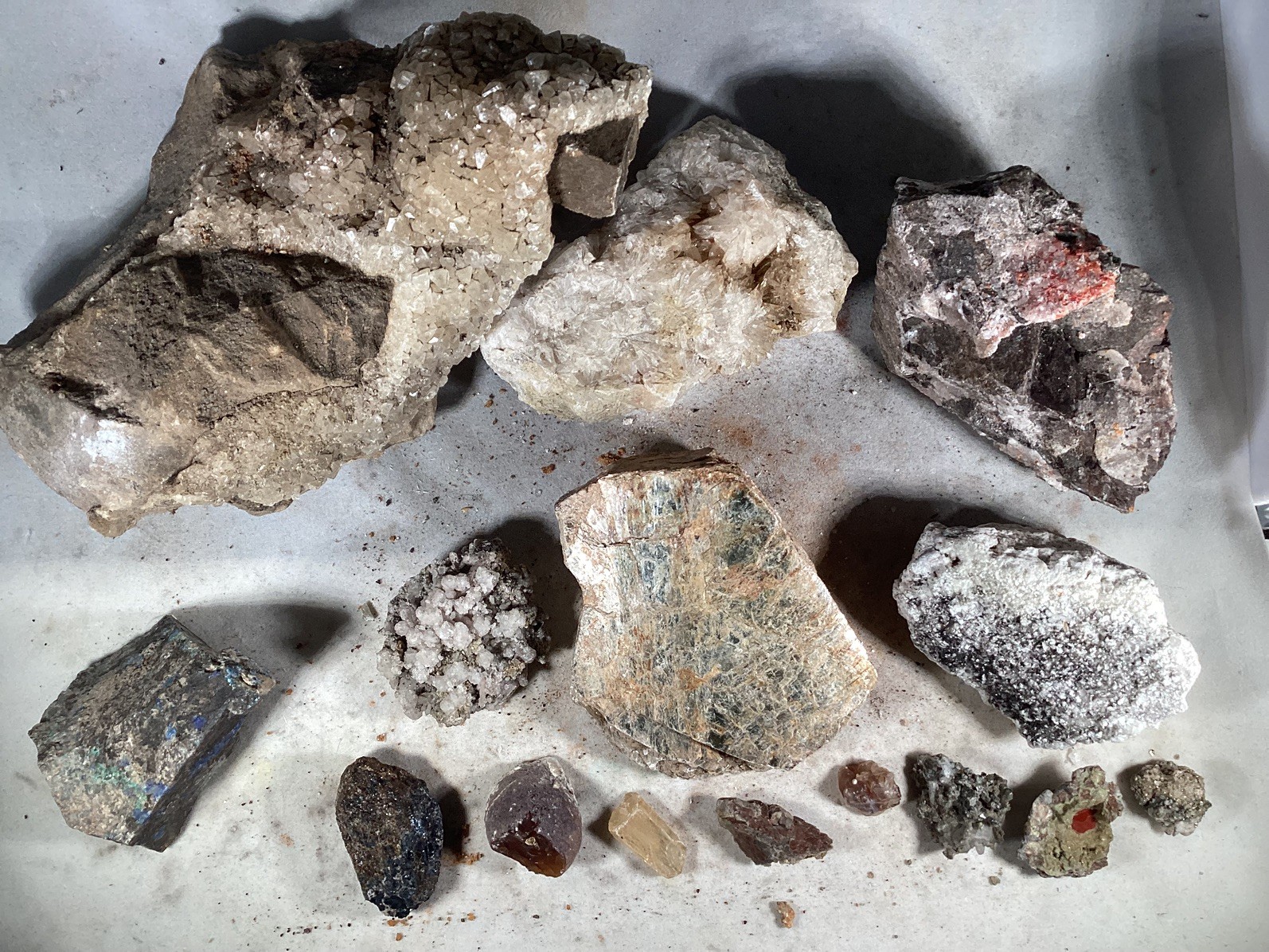
I'm going through a huge collection of rocks, minerals, crystals, ore, possible meteorites, and gems from an estate. These seem to have been collected in the mid 1900s in the western United States.I'm doing my best to take pictures and identify everything but I really don't have a clue. So whoever buys these will probably come away with a lot of value.Please be careful in handling these items since I do not know with certainty what each of them are. There is possible toxicity and radioactivity.This is just one of many lots to come, but I would also be interested in selling the whole thing to someone if they could give me 25% of what they think they can resell it for.Here are my best guesses based on books and AI on some of the items in this listing ( some items came with detailed descriptions and others have been identified by my local rock shop, but I have too many to id them all.mineral matrix cluster featuring crystalline growth, which appears to be a druzy quartz or calcite formation embedded on a host rock matrix. this is a chert nodule or partial geode, likely showing a layer of quartz or calcite crystallization along the edgeThis is a natural crystal cluster mineral specimen, showcasing clusters of crystalline formations on a rocky host matrix. either quartz, hemimorphite, calcite or selenite.vanadinite mineral cluster on a matrix rockfoliated metamorphic rock, most likely a type of Schist or a large growth of mica minerals (such as muscovite or biotiteazurite and malachite,natural crystal cluster composed of Pyrite and Quartz (and potentially associated matrix minerals like sphalerite, siderite, or calcite).This specimen is a mineral cluster composed primarily of metallic sphalerite and highly reflective mica flakes (muscovite) growing on a matrix of quartz and dolomitemica and Garnet schistnatural yellow calcite crystal or a raw citrine quartz point
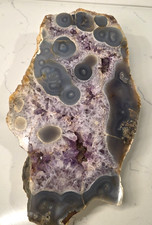
chalcedony nodule or a broken agate nodulespecimen on the left is a rough mineral matrix, highly characteristic of Dragon Blood Jasper (or a similar epidote-and-feldspar combination like unakite).
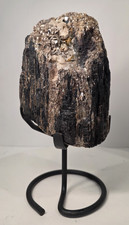
The specimen on the right is a translucent, waxy nodule of botryoidal chalcedony, often referred to as fire agate roughThe piece on the left features distinct, well-formed clear to translucent crystals growing out of a dark, rocky matrix. The elongated, hexagonal shapes are characteristic of quartz points, while some blockier, rhombohedral formations mixed into the cluster are typical of calcite. The dark host rock is likely a mineral-rich sulfide or carbonate matrix
The piece on the right is heavily dusted with thousands of tiny, metallic, sparkling surfaces. This brassy, glittering effect comes from fine-grained pyrite (iron pyrite, also known as "fool's gold") or potentially a mix of sphalerite and galena. These metallic minerals are heavily coated over a crystalline druzy quartz or calcite core, giving it a dense, sugary, and highly reflective texturered mineral nodule embedded within a matrix rock, heavily resembling a thunderegg pocket filled with red jasper or chalcedonyEverything is boxed up in a medium flat rate box. Wrapped up in bubble wrap and newspaper from the 1950s and cardboard to protect and fill the spaces.
#35
9 pounds