When you click on links to various merchants on this site and make a purchase, this can result in this site earning a commission. Affiliate programs and affiliations include, but are not limited to, the eBay Partner Network.
Composer, arranger, and musician Hall Johnson was born in Athens, Georgia in 1888 to Alice Virginia Sanson Johnson and William Decker Johnson, a bishop in the African Methodist Episcopal Church. His musical ability emerged early in life. As a child he studied piano with his older sister Mary and taught himself to play the violin using a learner’s manual. A major influence on his musical development was his grandmother, Mary Hall Jones, a formerly enslaved woman. Through her and his mother he absorbed the authentic sounds and harmonies of traditional Black spirituals, which later shaped much of his work.
Johnson graduated from Knox Institute in 1903 and continued his studies at several institutions before earning a Bachelor of Arts in music from the University of Pennsylvania in 1910. He later pursued additional training at the University of Southern California and the Juilliard School. In 1912 he married Celeste Corpening in Athens.
By 1914 the couple had moved to New York City, settling in the Harlem neighborhood. There Johnson opened a studio where he taught violin and other instruments while also performing professionally. He played violin with ensembles such as the Negro String Quartet, which specialized in classical European repertoire, and the Southern Syncopated Orchestra, a group known for blues and popular music. He also performed in the orchestra for Broadway productions by Eubie Blake, including Shuffle Along and Runnin’ Wild.
Johnson’s most enduring legacy came through his work with Black choral music. In 1926 he organized an eight-member vocal ensemble in New York originally called the Harlem Jubilee Singers. By 1928 the group had expanded to twenty members and was renamed the Hall Johnson Negro Choir, becoming an important musical presence during the Harlem Renaissance. The choir performed widely on stage and radio, appeared at Town Hall, and secured a recording contract with RCA Victor.
Johnson gained national prominence when he arranged the music and his choir performed in The Green Pastures by Marc Connelly. In 1933 his own folk opera, Run Little Chillun, enjoyed a four-month run on Broadway. Johnson later traveled to California with his choir to perform in the film adaptation of The Green Pastures, remaining there until the mid-1940s. During that time he participated in or arranged music for several motion pictures, including Banjo on My Knee, Lost Horizon, and Birth of the Blues. He also founded the Festival Choir of Los Angeles. Despite his successes, he was disappointed by the reception of Cabin in the Sky. Although the film featured a prominent all-Black cast, its financial performance suffered because many theaters in the southern United States refused to screen it.
After returning to New York, Johnson established the Festival Negro Choir of New York, which performed his cantata Son of Man in 1946. He also wrote numerous articles and published a collection titled Thirty Spirituals Arranged for Voice and Piano. Throughout his career he coached several notable singers, including Marian Anderson, Harry Belafonte, Robert McFerrin, and Shirley Verrett. In 1951 the United States Department of State selected the Hall Johnson Choir to represent the United States at the International Festival of Fine Arts in Germany.
Hall Johnson died in New York City in 1970 at the age of 82. After his death he was honored with the Handel Medallion and was inducted into the Black Filmmakers Hall of Fame.
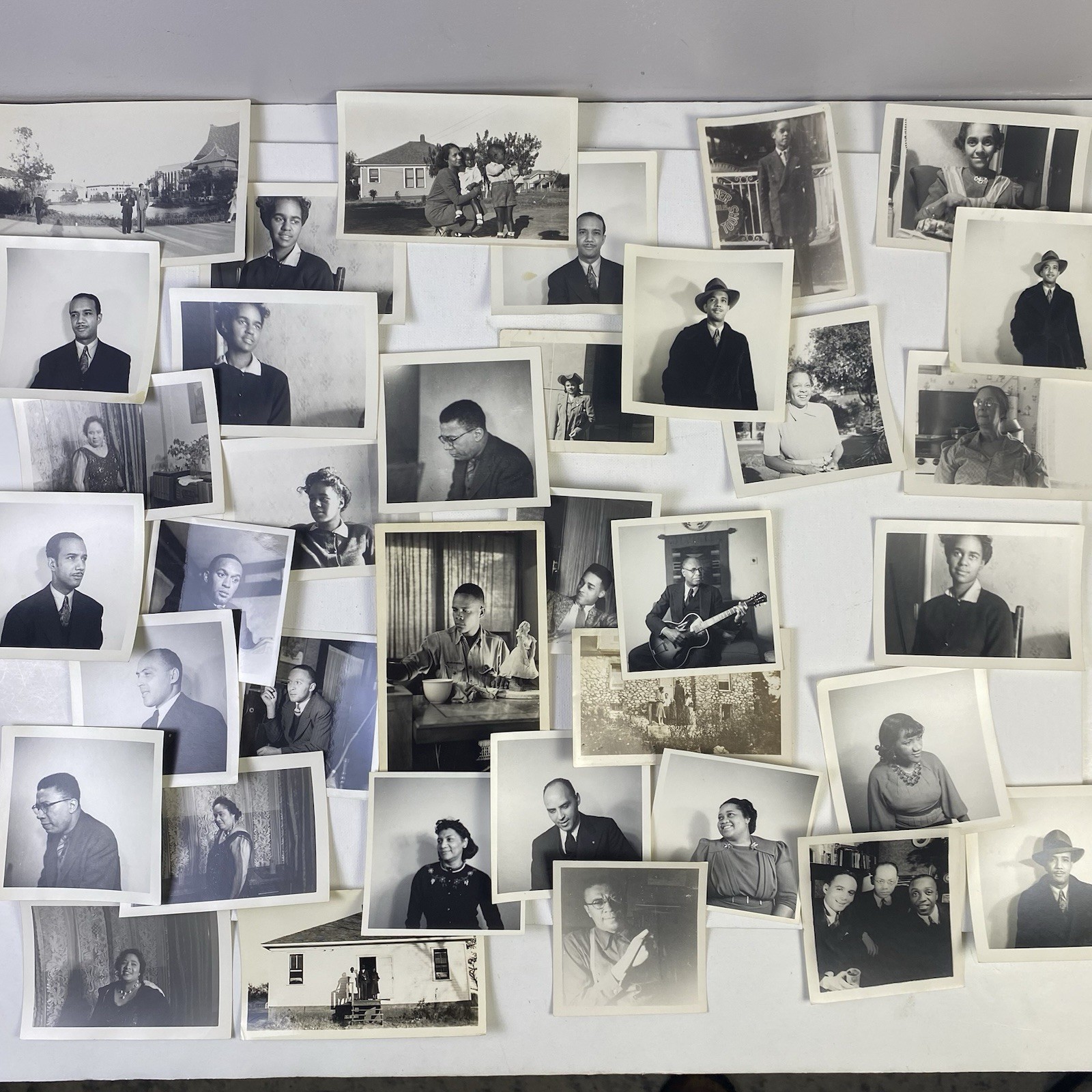
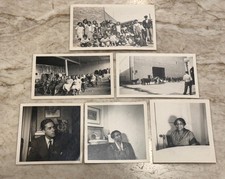
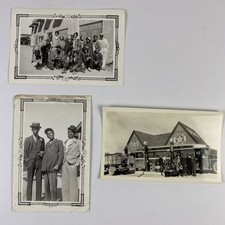
30+ images!!!